
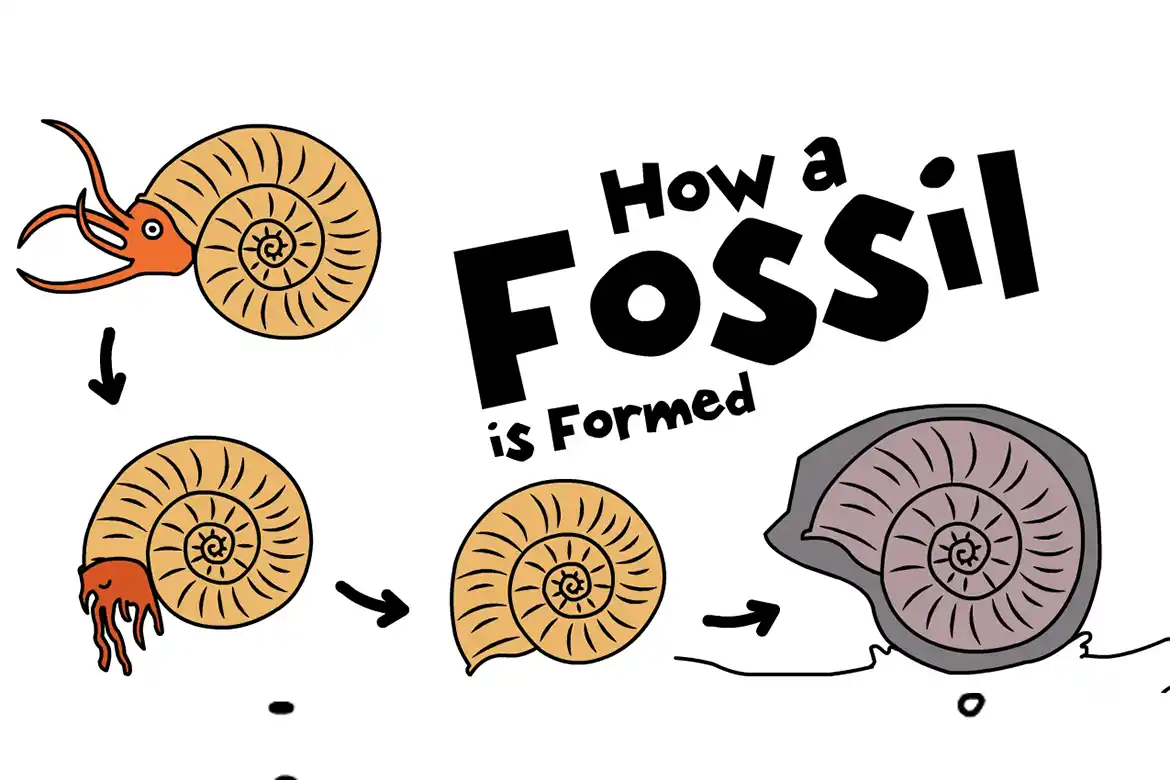
Have you ever looked at a stone spiral and realized you were holding a creature from 100 million years ago? Learning about ammonite fossils is one of the most exciting ways for children to connect with Earth’s ancient past.
Understanding how fossils are created isn’t just about rocks; it’s about a rare and “lucky” sequence of events that preserves history. Whether you are building an interactive science notebook or looking for a way to explain how fossils are formed to a curious student, this guide breaks down the fossilization process into six easy-to-understand steps.
What is an Ammonite?
Before we dive into the stages of fossilization, we have to meet our subject! Ammonites were prehistoric sea creatures related to the modern-day octopus. They lived inside beautiful, coiled shells. Because these shells were so sturdy, they are the perfect “main characters” to help us learn how do fossils form.
The 6 Stages of the Fossilization Process
1. The Living Ammonite
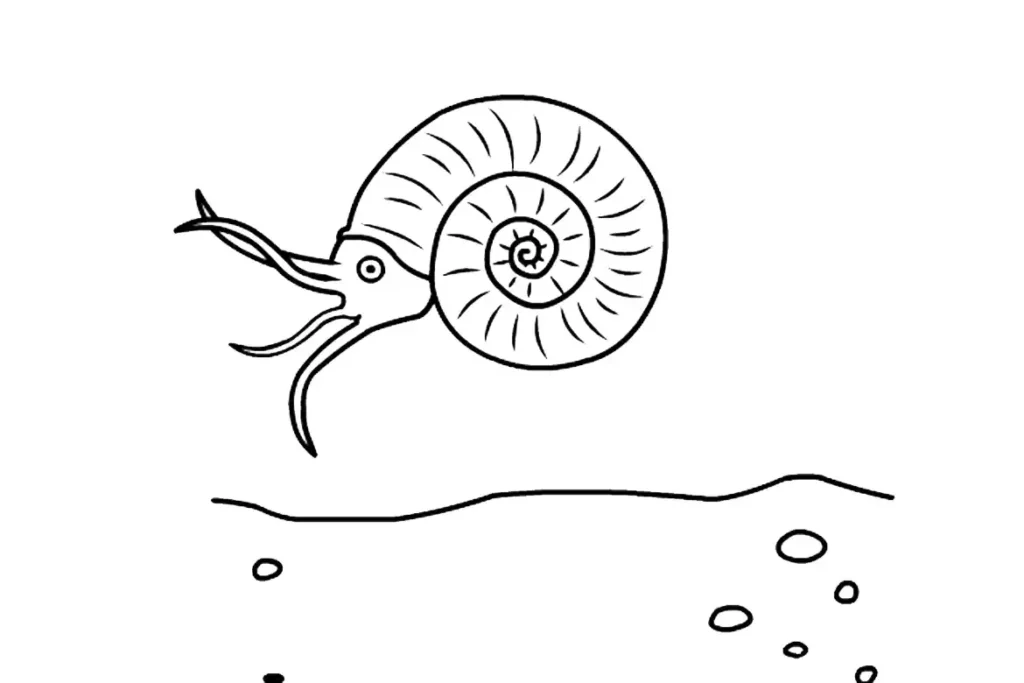
Every fossil begins with life! Millions of years ago, the ammonite swam in ancient oceans, using its tentacles to hunt and its shell for protection. In any Earth science lesson on fossil formation, it is important to remember that the fossil was once a living, breathing animal.
2. Death and Decay
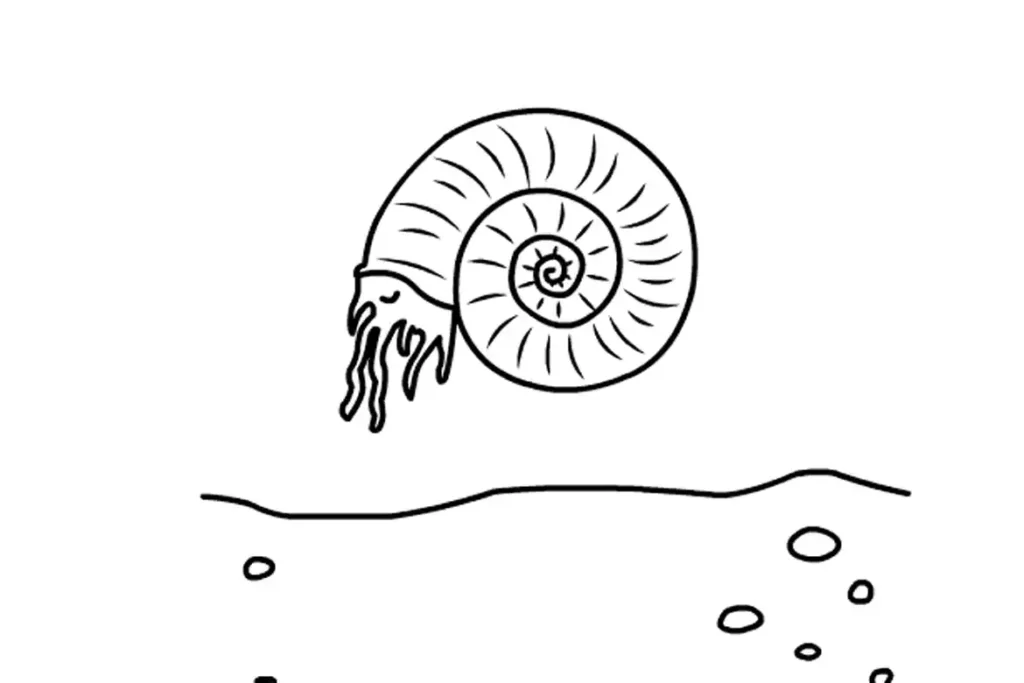
When the ammonite’s life cycle ends, it sinks to the ocean floor. Here, nature begins its work. The soft parts of the animal, the tentacles and body, decay or are eaten by scavengers. Only the hard shell is left behind. This is the starting point for how a fossil is formed.
3. Burial (The Key to Preservation)
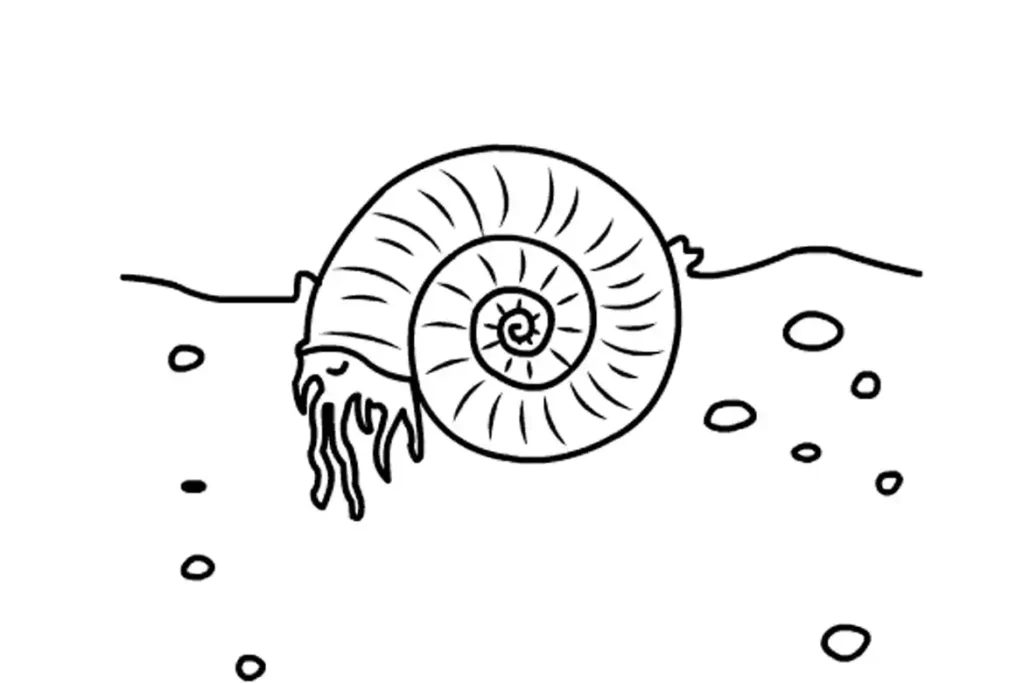
This is the most critical of all the stages of how fossils form. For a shell to become a fossil, it must be covered quickly by sediment, such as sand or mud. This burial acts like a protective shield, preventing the shell from being crushed by waves or scattered by the current.
4. Layers Build Up
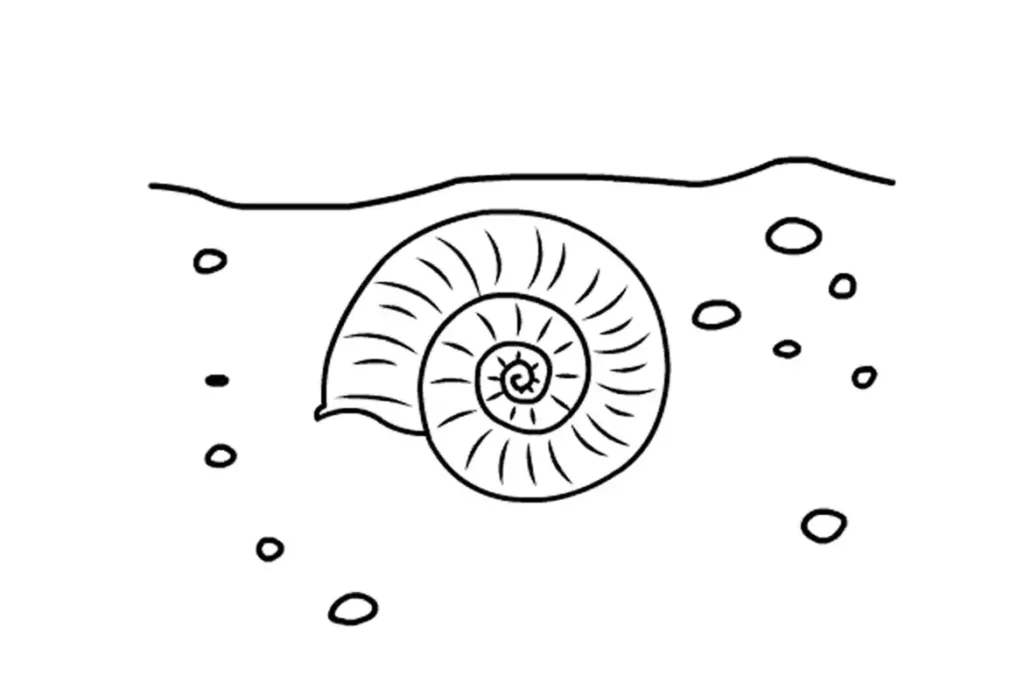
Over thousands of years, more and more layers of sediment settle on top of the buried shell. The sheer weight of these layers creates immense pressure. This pressure, along with time, slowly turns the sand and mud into solid sedimentary rock.
5. Minerals Seep In (Permineralization)
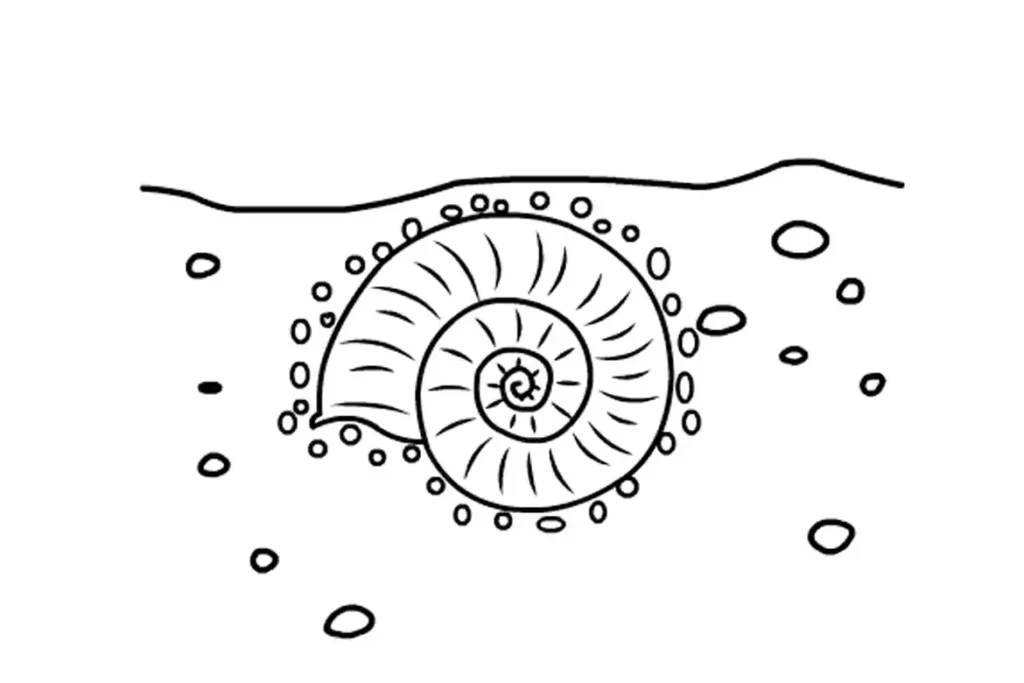
This stage is where the “rock” part happens! Water rich in minerals seeps through the porous rock and into the ammonite shell.
- How are fossils made? Over time, the original shell dissolves, and the minerals take its place, turning the biological remains into a stone replica.
- Pro-Tip: This is different from how amber is formed, where resin traps an organism whole. In ammonites, the animal is literally replaced by stone!
6. Erosion and Exposure
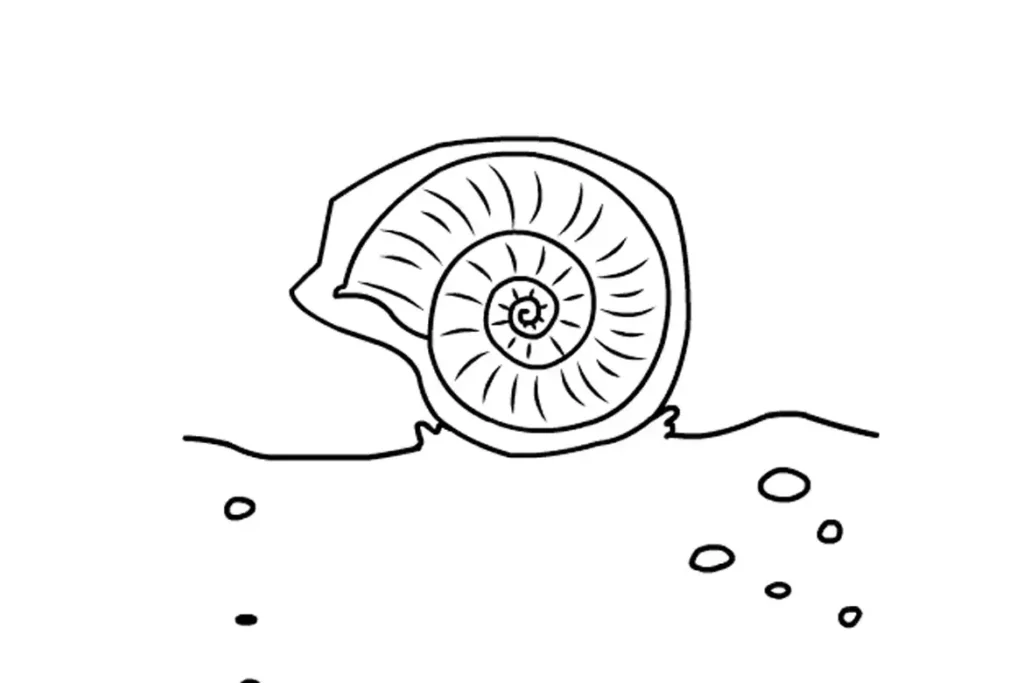
The final stage happens millions of years later. Earth’s crust moves, pushing the deep sea floor up to become dry land. Wind and water (erosion) slowly wear away the rock layers, finally exposing the ammonite fossil to the surface for us to discover.
Bring Science to Life: Create Your Own Fossil Animation!
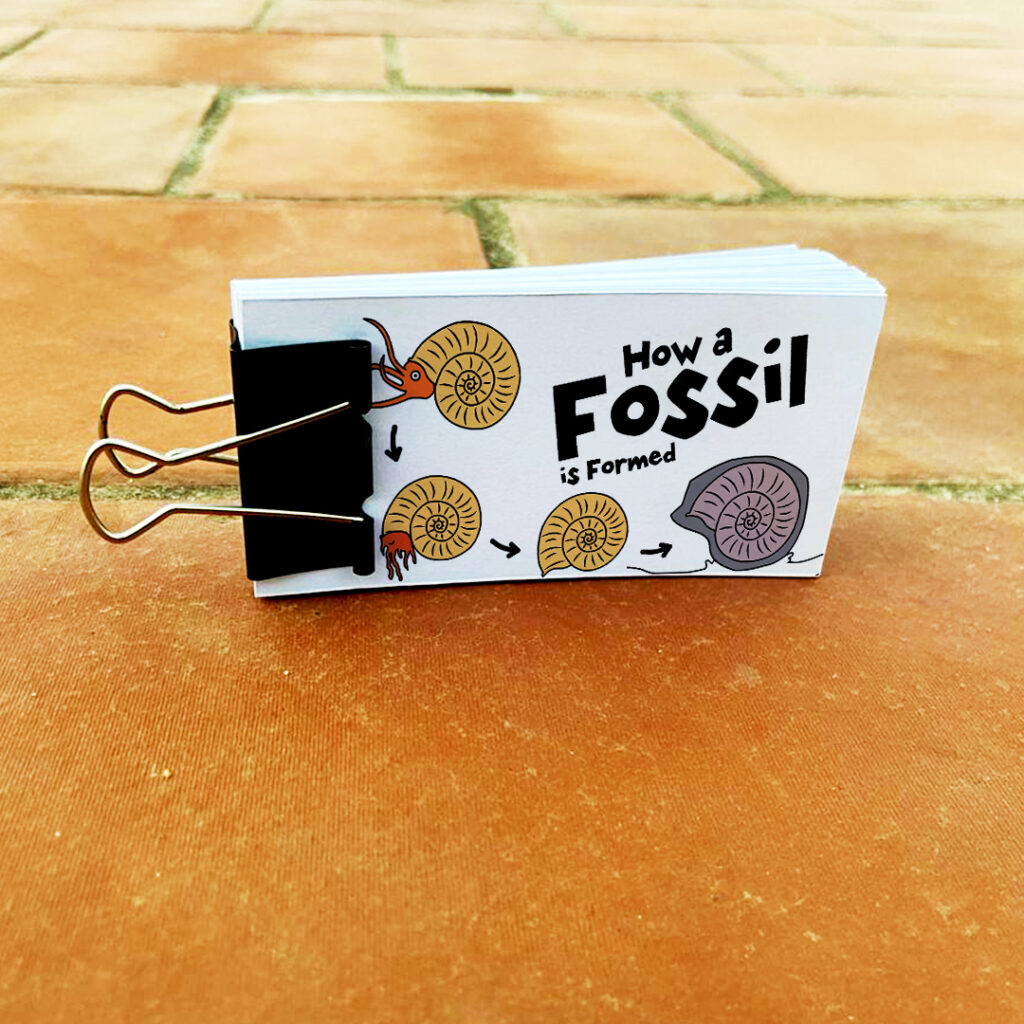
While learning about ammonite fossils is fascinating, watching the process happen is even better! If you’re looking for a hands-on science activity that moves beyond the screen, our Stages of Fossilization Animated Flipbook is the perfect educational printable.
Kids love watching animated cartoons, but this DIY flipbook gives them the power to become the animators themselves. This digital download PDF includes Printable Coloring Pages that depict each step of the fossil journey. Once you print it out, your child can color the images and assemble them to create their very own hand-colored animated cartoon!
It is a wonderful Montessori activity and a differentiated alternative to a worksheet that:
- Increases Knowledge: By coloring each stage, kids memorize the steps in the fossilization process naturally.
- Reduces Screen Time: It’s a great way to prevent screen addiction by showing kids they can create “analog” animations without a tablet.
- Boosts Social Activity: Kids love sharing their creations with friends and family, sparking conversations about science.
Transform your homeschool curriculum or science center with this interactive STEM craft for kids. Let’s swap the “cartoon addiction” for a passion for creation and Earth science!